
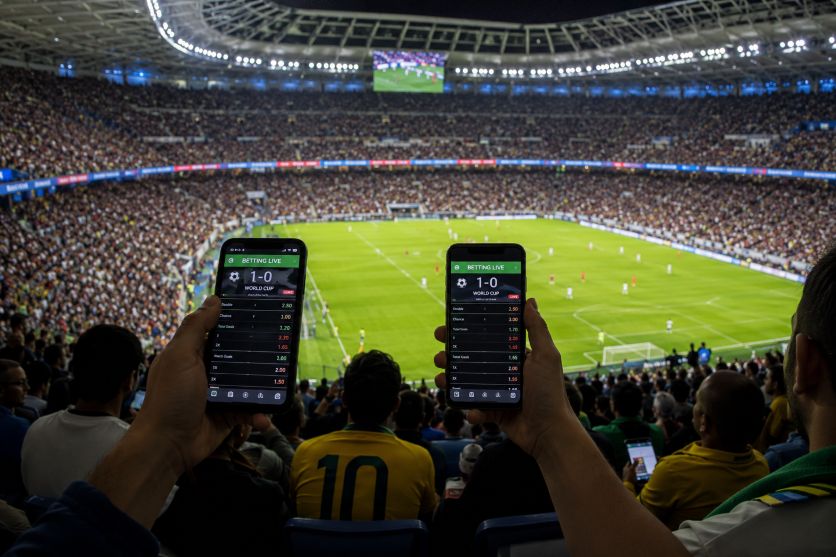
FIFA expects the 2026 tournament to become the largest World Cup ever staged, with 48 national teams, 104 matches, and billions of global viewers spread across the United States, Canada, and Mexico. Research from Statista, FIFA, and major sportsbook industry reports suggests wagering activity tied to the competition could surpass every previous football betting event in scale, especially as more countries regulate online sports betting markets.
Conversation around World Cup 2026 sports betting has accelerated across sportsbooks, media outlets, and analytics platforms as operators prepare for record user activity. Data published by GeoComply during recent international football tournaments showed millions of geolocation checks tied to legal betting activity in North America alone, while analysts at Deloitte note that mobile wagering and live betting continue to drive rapid industry growth worldwide.
The tournament arrives at a unique moment for global sports gambling. More fans now watch matches with live statistics, same-game betting options, and instant mobile access. Technology has transformed how supporters interact with football, turning every group-stage surprise, injury update, and late goal into a moving betting market.
Still, the expanded World Cup format introduces uncertainty. Traditional betting models built around 32 teams may not fully apply in 2026. New teams, unfamiliar matchups, longer travel schedules, and rotating host cities could create unpredictable results from the opening week onward.
The Scale of the 2026 World Cup Betting Market
Football already dominates the global sports wagering economy. Estimates from H2 Gambling Capital and Statista consistently rank the FIFA World Cup among the largest betting events on Earth, often outperforming the Super Bowl, NBA Finals, and UEFA Champions League Final in total betting handle.
The 2026 edition could push those numbers even higher for several reasons:
- More matches create more betting opportunities.
- Legal sports betting has expanded across North America since the 2022 World Cup.
- Mobile sportsbook adoption continues to rise globally.
- Micro-betting and live betting tools are now standard features.
- Streaming access allows fans to follow nearly every match in real time.
Industry analysts at PwC note that live sports remain one of the strongest drivers of digital gambling engagement. Football tournaments produce especially high activity because matches attract both dedicated bettors and casual viewers.
That mix matters. Hardcore football fans may study expected goals, tactical systems, and player form. Casual viewers often focus on popular stars, emotional narratives, or national pride. Sportsbooks balance both audiences when building markets and adjusting odds throughout the tournament.
Key Betting Markets to Watch in 2026
1. Group Stage Upsets
The expanded format creates more opportunities for underdog stories. Smaller football nations now have a larger platform, and history suggests surprises happen regularly in major tournaments.
FIFA historical records show that recent World Cups featured major shocks involving teams like Saudi Arabia defeating Argentina in 2022 and Japan beating Germany and Spain during the same tournament.
More teams also means more unfamiliar matchups. Bettors who normally follow European club football may know less about emerging national squads from Africa, Asia, or Central America. That knowledge gap can create pricing inefficiencies early in the tournament.
Travel conditions may also influence results. Teams will move across multiple North American cities, sometimes with significant climate and time-zone differences. Experts at ESPN and The Athletic have already highlighted concerns about player fatigue and logistical challenges during the expanded event.
2. Golden Boot Markets
The race for the tournament’s top scorer remains one of football’s most popular futures markets.
More matches could help elite forwards accumulate larger goal totals. Players from stronger teams may benefit from additional group-stage fixtures against lower-ranked opponents. That could increase scoring opportunities compared with previous tournaments.
Still, Golden Boot betting often becomes volatile after the knockout stage begins. Penalty takers, favorable brackets, and injury management can quickly reshape the leaderboard.
Research from Opta Analyst shows that expected goals data, shot volume, and penalty responsibilities often provide stronger predictive value than simple reputation alone.
3. Outright Winner Markets
Traditional football powers will still dominate most championship odds. Countries like Brazil, France, England, Argentina, and Spain are expected to attract major betting volume.
Yet longer tournaments sometimes favor depth over star power. Squad rotation becomes increasingly important when teams play multiple high-intensity matches within short windows.
Analysts at The Athletic have noted that modern international tournaments reward nations with versatile benches, flexible tactics, and younger squads capable of recovering quickly between matches.
Host-country energy may also influence betting sentiment. The United States, Canada, and Mexico will each receive massive local support, creating emotional betting interest throughout North America.
How the 48-Team Format Changes Betting Value
The jump from 32 to 48 teams is the biggest structural change in modern World Cup history. FIFA designed the format expansion to increase global participation and create broader international representation.
For bettors, the new structure changes risk calculation in several important ways.
- More lower-ranked nations increase variance in early-stage betting.
- Additional matches create larger sample sizes for live betting analysis.
- Squad rotation becomes harder to predict.
- Travel and weather conditions may impact performance consistency.
- Knockout pathways become more complicated.
Some sportsbooks are already preparing specialized betting tools to handle the larger event. Research from Gambling Insider indicates operators expect heavy demand for player props, live statistics integrations, and real-time cash-out features.
Expanded tournaments also create more “value bet” discussions among experienced football bettors. Lesser-known teams may initially receive limited market attention compared with global favorites, especially during early group-stage fixtures.
That does not guarantee profitable outcomes. Football remains highly unpredictable. A single red card, penalty decision, or injury can completely alter a match result.
Top Sportsbook Features Defining the 2026 Tournament
Modern sports betting platforms now operate more like live entertainment hubs than traditional bookmakers.
Several features are expected to dominate the 2026 experience:
Same-Game Parlays
Users increasingly combine player goals, corner totals, cards, and match outcomes into single wagers. Reports from DraftKings and FanDuel earnings calls suggest same-game parlays remain among the fastest-growing sportsbook products.
Live Betting
Live wagering continues to expand during football matches. Odds now update within seconds after substitutions, goals, penalties, or tactical shifts.
GeoComply data from previous global sporting events showed strong spikes in live mobile betting during high-profile matches and dramatic finishes.
AI-Powered Statistics
Several betting platforms now integrate predictive models, expected goals data, and player tracking metrics directly into user interfaces.
Companies including Opta and Sportradar continue expanding real-time football analytics partnerships across sportsbooks and media providers.
Micro-Markets
Some platforms now offer wagers on individual moments, including next corner kick, next booking, or next shot on target. These rapid-fire markets appeal strongly to mobile-first audiences.
Responsible Gambling Still Matters
Major tournaments often increase emotional betting behavior. Casual viewers may place more wagers during the World Cup than at any other time of year.
Public health experts and gambling regulators continue reminding fans to approach betting as entertainment rather than guaranteed income. Organizations including GamCare, BeGambleAware, and the National Council on Problem Gambling encourage users to set spending limits, avoid chasing losses, and take breaks during extended betting sessions.
The nonstop schedule of the 2026 tournament may make discipline even more important. Matches will run nearly every day across multiple time zones, creating constant wagering opportunities from morning through late night.
Fans can still enjoy the excitement without overspending. Budgeting beforehand, using sportsbook limit tools, and focusing on entertainment value can help maintain a healthier experience throughout the month-long competition.
Conclusion
The FIFA World Cup 2026 represents a turning point for global football betting culture. Bigger tournament structures, expanded mobile wagering access, and advanced sportsbook technology are combining to create an event unlike any previous World Cup.
Group-stage surprises, Golden Boot races, live betting swings, and evolving analytics tools will keep millions of fans engaged from the opening match to the final. At the same time, the tournament serves as a reminder that sports wagering works best when approached responsibly and with realistic expectations.
Football’s biggest stage has always delivered drama. The 2026 edition may also become the most heavily wagered sporting event the world has ever seen.