
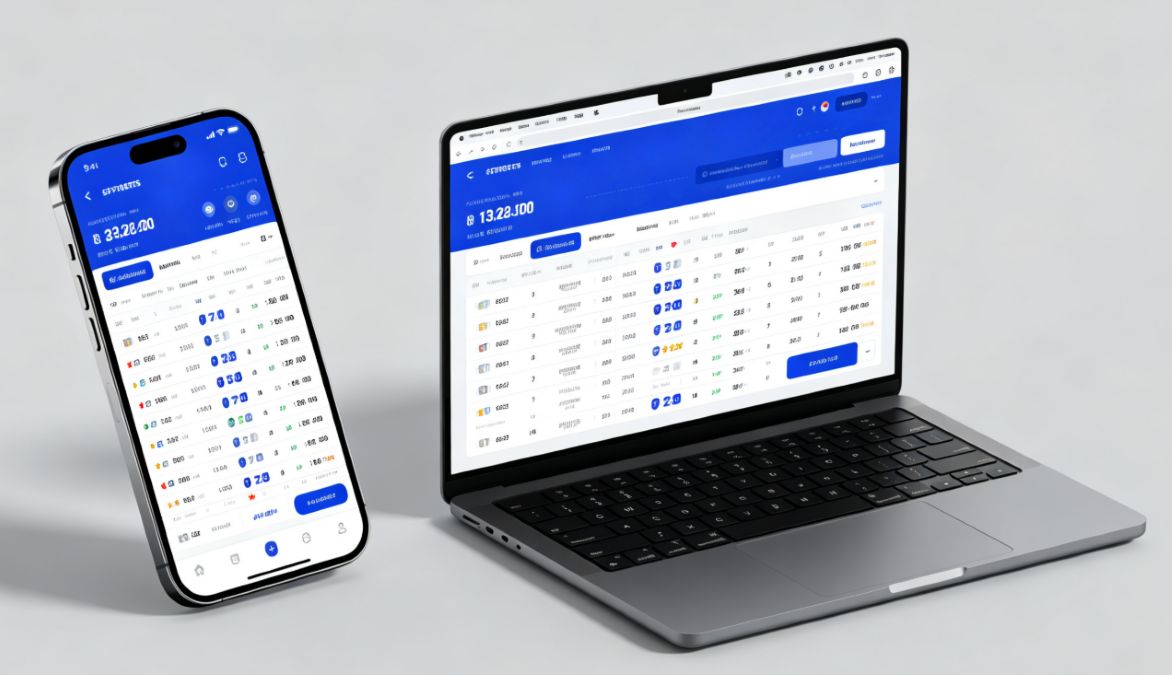
Smartphones have become the primary way many people access digital services, including entertainment, banking, and online wagering. According to Statista, mobile devices account for a majority of global internet traffic, prompting many industries to redesign their platforms for smaller screens and faster interactions. Sports betting operators have followed this shift by placing greater emphasis on mobile-first experiences while continuing to support browser-based platforms for users who prefer larger displays.
As more services optimize for smartphones, users often compare dedicated mobile platforms with browser alternatives before deciding which fits their needs. Resources such as MZPlay app provide an example of how modern operators offer mobile access alongside traditional web interfaces. While both methods allow access to similar betting markets, the overall experience can differ in navigation, performance, and convenience.
Why Mobile-First Design Has Become the Standard
Mobile-first design means developers create the smartphone experience before adapting features for tablets and desktop computers. This approach reflects how consumers increasingly browse, communicate, and manage online accounts through their phones.
Research from Google has consistently shown that users expect websites and applications to load quickly and respond smoothly on mobile devices. Slow-loading pages often lead to higher abandonment rates, encouraging companies to simplify interfaces and reduce unnecessary steps.
For sports betting platforms, this means emphasizing quick account access, streamlined navigation, responsive layouts, and simplified bet placement without overwhelming users with excessive menus.
Comparing Mobile Apps and Browser-Based Platforms
Accessibility
Dedicated mobile applications are installed directly on smartphones, making them immediately available from the device’s home screen. Browser platforms, meanwhile, require users to open a web browser and visit the operator’s website.
Apps generally reduce the number of steps needed to access an account, while browsers eliminate the need for installation and work across nearly any compatible device.
Performance
Mobile applications often provide smoother animations and faster transitions because many features operate directly within the device’s operating system. They may also make better use of hardware resources, resulting in improved responsiveness.
Modern browser technology has narrowed the performance gap considerably. Responsive websites now deliver experiences that closely resemble native applications, especially when optimized for mobile devices.
Updates
Applications periodically receive software updates that introduce new features, security improvements, or interface changes. Depending on device settings, users may need to download these updates manually or automatically.
Browser platforms update behind the scenes. Users simply visit the website and immediately access the latest version without installing anything.
Notifications
One advantage of mobile applications is support for push notifications. These alerts can inform users about account activity, event reminders, or platform announcements without requiring them to open a browser.
Browser notifications are available on some devices but often provide a less consistent experience across different operating systems.
Storage Requirements
Applications occupy storage space on smartphones, which may matter for users with limited device capacity. Browser-based platforms require little local storage because most content loads directly from the website.
Security Considerations
Whether using an app or a browser, security remains one of the most important factors when accessing betting services.
National Institute of Standards and Technology (NIST) recommends strong passwords, multi-factor authentication, and regular software updates as effective ways to reduce cybersecurity risks. These practices apply regardless of how users access their accounts.
Mobile applications can integrate biometric authentication such as fingerprint or facial recognition, while browser platforms increasingly support passkeys and two-factor authentication for added protection.
User Experience Differences
The choice between mobile and browser access often depends on personal preferences rather than platform capability.
- Mobile applications generally provide faster navigation and easier one-handed use.
- Browser platforms may be preferred on larger screens for reviewing statistics, account history, or multiple events simultaneously.
- Apps can make better use of phone hardware, including biometric login and device notifications.
- Web browsers offer greater flexibility because they work across different operating systems without requiring downloads.
Many operators now maintain feature consistency across both versions, allowing users to switch between devices while keeping the same account information and betting history.
Technology Driving Mobile Growth
Several broader technology trends continue supporting the move toward mobile-first betting services. At the same time, developers also pay closer attention to user behavior and engagement patterns. Understanding the psychology of momentum in sports and gaming helps explain why many digital platforms emphasize seamless navigation, quick interactions, and consistent user experiences across mobile and desktop devices.
Faster mobile networks, improved smartphone processors, cloud-based infrastructure, and responsive web development have made mobile experiences more reliable than in previous years. According to GSMA, expanding 5G adoption continues to improve mobile connectivity, helping online services deliver faster loading times and more stable connections.
At the same time, cross-platform development tools allow companies to maintain similar functionality across Android, iOS, and browser environments without creating entirely separate products.
Factors Users Commonly Consider
Choosing between an application and a browser version usually comes down to practical needs rather than one option being universally better.
Users often compare:
- Device storage availability.
- Internet connection quality.
- Preferred screen size.
- Notification preferences.
- Login convenience.
- Compatibility with their operating system.
- Privacy and security features.
Some users prefer installing a dedicated betting application for quick access, while others continue using mobile browser platforms because they appreciate the flexibility of accessing services without additional software.
Conclusion
The industry’s transition toward mobile-first sports betting reflects broader changes in how people use digital services every day. Smartphones have become the primary access point for many users, encouraging operators to prioritize fast, responsive mobile experiences while maintaining capable browser-based alternatives. Whether someone chooses a dedicated betting app or a mobile browser platform depends on convenience, device preferences, and individual usage habits.
As mobile technology continues evolving, services similar to the MZPlay application are likely to keep refining their user experience alongside browser-based offerings. Regardless of the platform selected, users should prioritize security, understand the available features, and make informed decisions based on their own needs rather than convenience alone.
Responsible Gambling Warning: Gambling involves financial risk and should be approached responsibly. Only participate if it is legal in your jurisdiction, set personal spending limits, and seek support from local responsible gambling organizations if gambling begins to negatively affect your finances or wellbeing.