
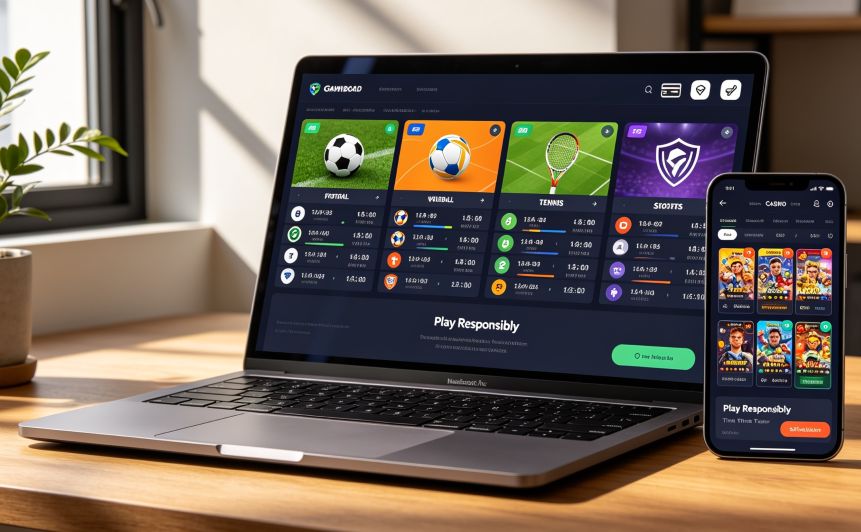
Football continues to rank among the most followed sports in Poland, while volleyball, tennis, and esports attract millions of viewers through television broadcasts and digital streaming platforms. This sustained interest has shaped how online gaming companies develop their services. Many platforms now combine sportsbook features with casino games, live entertainment, and account management tools within a single ecosystem. As consumer expectations evolve, operators face the challenge of creating digital environments that support different forms of entertainment while complying with regulations and promoting responsible participation.
Research from 22Bet casino (22Bet kasyno) and market observations from H2 Gambling Capital indicate that integrated gaming platforms have become increasingly common across regulated European markets. Rather than separating sports wagering from casino products, many operators provide unified wallets, shared loyalty systems, and consistent user interfaces that allow customers to move between different services without creating multiple accounts. This approach reflects broader digital platform trends rather than changes limited to gambling alone.
The Challenge of Meeting Diverse User Interests
Online gaming audiences have become increasingly diverse. Some users primarily follow domestic football leagues or international tournaments, while others pay closer attention to volleyball competitions, professional tennis circuits, or major esports championships. Seasonal differences also affect engagement. Football may dominate during league play, whereas tennis tournaments and esports competitions can maintain activity throughout other parts of the year.
This variety creates operational challenges for gaming platforms. A service designed around only one sport or one type of gaming product may struggle to maintain consistent engagement across changing sporting calendars. Operators therefore need digital environments capable of adapting to different interests without overwhelming users with unnecessary complexity.
Integrated Platforms Offer a Practical Solution
Many companies have responded by building comprehensive digital ecosystems. Sportsbooks, casino games, payment systems, identity verification, customer support, and account management are increasingly available through one interface.
McKinsey & Company has repeatedly noted that consumers across many industries increasingly value seamless digital experiences that reduce friction between related services. The same principle applies to online gaming platforms. Users often prefer consistent navigation, unified payment methods, and centralized account settings rather than switching between multiple websites or applications.
Shared infrastructure also helps operators manage security updates, regulatory compliance, fraud prevention, and responsible gaming controls more efficiently.
Football Continues to Drive Traffic
Football remains the largest contributor to sports-related engagement across much of Europe, including Poland. Domestic league matches, European club competitions, and international tournaments generate sustained public attention throughout the year.
UEFA reports that European football continues attracting large television audiences and extensive digital interaction across official streaming and social media channels. This consistent visibility naturally contributes to increased visits to licensed sportsbook platforms during major competitions.
Interest extends beyond individual matches. Transfer windows, league standings, fixture announcements, and tournament draws all generate periods of heightened user activity across sports-focused digital platforms. Similar engagement patterns are explored in the psychology of momentum in sports and gaming, which examines how ongoing competition and evolving narratives help sustain audience attention across different forms of digital entertainment.
Volleyball Holds Strong National Appeal
Poland has developed one of Europe’s strongest volleyball traditions. Success in international competitions has helped maintain public interest across both men’s and women’s events.
FIVB data shows that international volleyball competitions continue expanding their worldwide audiences through digital broadcasting partnerships. As coverage becomes more accessible, online gaming platforms increasingly include volleyball markets alongside football rather than treating them as secondary offerings.
This broader coverage allows platforms to remain active throughout different sporting seasons while serving audiences with varied interests.
Tennis Creates Year-Round Engagement
The international tennis calendar spans nearly the entire year. Grand Slam tournaments, ATP events, WTA competitions, and team tournaments provide continuous sporting content across multiple continents.
Growing interest in Polish professional players has further increased domestic attention to tennis coverage. According to the International Tennis Federation, global participation and media exposure continue expanding across professional and grassroots levels.
This steady tournament schedule helps maintain regular user visits between major football competitions.
Esports Expands the Digital Audience
Esports has developed into an important part of the broader digital entertainment landscape. Professional tournaments featuring popular titles now attract audiences measured in millions through online streaming platforms.
Newzoo, a leading gaming market research organization, reports continued global growth in esports viewership and digital engagement. While esports audiences differ from traditional sports fans in some respects, many online gaming platforms now include esports alongside conventional sporting events within the same interface.
This reflects changing entertainment habits rather than replacing traditional sports. Football, volleyball, tennis, and esports increasingly coexist as complementary content categories.
Technology Supports Unified Experiences
Modern online gaming platforms rely heavily on technology that connects multiple services into one system. Secure payment processing, identity verification, mobile optimization, cloud infrastructure, and personalized interfaces all contribute to smoother digital experiences.
Deloitte has observed that consumers increasingly expect digital services to function consistently across smartphones, tablets, and desktop devices. This expectation encourages companies to simplify navigation while maintaining strong cybersecurity standards.
Shared technology also supports responsible gaming tools such as deposit controls, self-exclusion options, account history, and activity monitoring.
Sportsbooks and Casino Products Continue to Coexist
Many operators now position sportsbook services and casino products within the same digital environment because users often value convenience and consistent account management. This trend reflects broader platform integration rather than suggesting that every customer uses every available service.
Industry analysts frequently describe this approach as creating a connected gaming ecosystem where different entertainment options remain accessible through one account. Related online casino services often operate alongside sportsbook offerings while sharing common payment infrastructure and responsible gaming controls.
The coexistence of these services allows operators to respond more efficiently to changing seasonal demand while maintaining a consistent user experience throughout the year.
Responsible Growth Remains Essential
Growth across online gaming markets brings greater responsibility for operators, regulators, and consumers alike. Licensed platforms increasingly invest in age verification, identity checks, anti-money laundering procedures, and responsible gambling measures.
The European Gaming and Betting Association (EGBA) continues encouraging higher standards for consumer protection across licensed European markets. These initiatives emphasize transparency, player safety, and access to support resources where appropriate.
Responsible gambling warning: Gambling involves financial risk and may not be suitable for everyone. Participation should remain a form of entertainment within personal financial limits. Anyone experiencing gambling-related difficulties should seek assistance from qualified support organizations available in their jurisdiction.
Conclusion
Sports betting continues serving as an important driver of online gaming platform activity in Poland because public interest in football, volleyball, tennis, and esports remains consistently strong throughout the year. Technology has enabled sportsbooks and casino products to operate within integrated digital ecosystems that emphasize convenience, security, and efficient account management.
As digital entertainment continues evolving, the relationship between sports content and broader gaming services is likely to remain significant. Continued investment in secure technology, regulatory compliance, and responsible gambling practices will play an important role in shaping sustainable growth across the wider online gaming ecosystem while supporting a balanced experience for adult users.